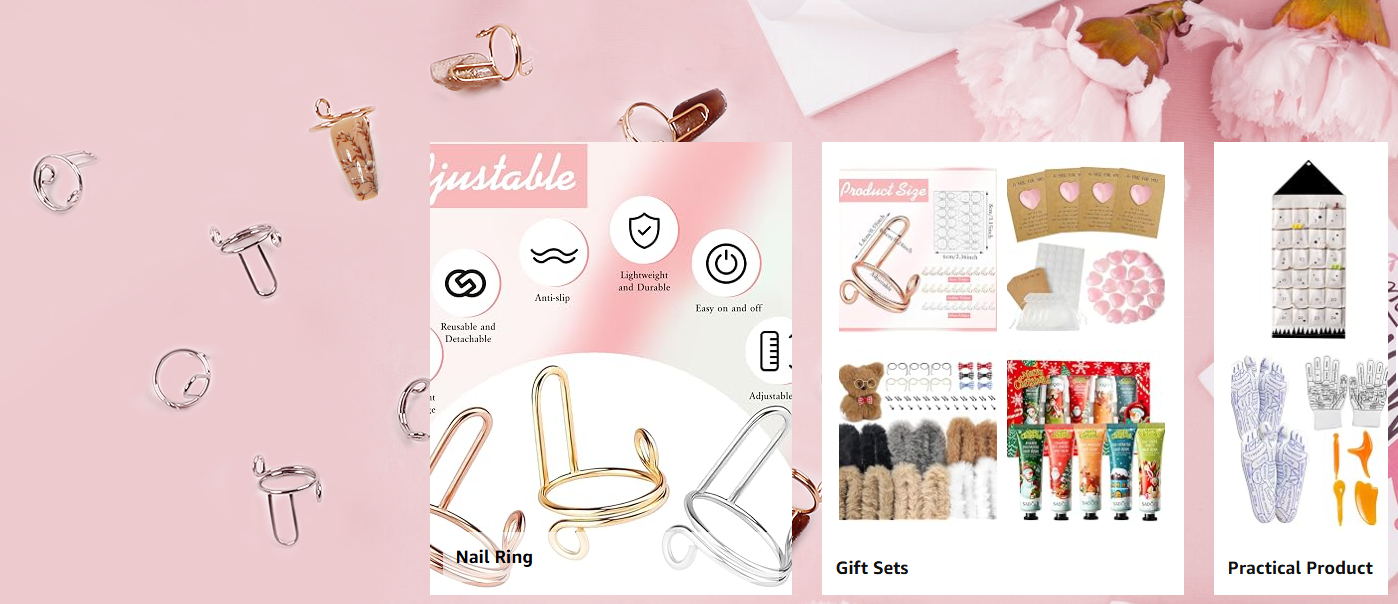
Wudu Nail Rings: A Practical Guide to Nail Rings for Wudu and Wudu Nail Covers
For many people, nail care and wudu routines need to work together without adding stress. Wudu is a meaningful act of purification, and many Muslims want to be confident that water reaches the skin and nails properly. Nail polish, gel extensions, and decorative nail accessories can create barriers if they are not chosen or used carefully. That is why terms like Wudu nail rings have become more common in everyday conversations about modest beauty and practical faith. The goal is simple: keep your routine manageable, respectful, and comfortable.
Why Nail Accessories Matter During Wudu
Wudu involves washing the hands, face, arms, head, and feet. For many people, the details matter most when water needs to reach the skin beneath or around nail products. A thick layer of polish, a poorly fitted extension, or a tight accessory can interrupt that process. This does not mean every nail product is a problem; it means fit, material, and water access deserve attention.
“The goal is not to make wudu complicated. It is to remove avoidable barriers and keep the routine calm and consistent.”
That is where small accessories can help some people feel more organized. They can protect a manicure, add a modest decorative touch, or provide temporary coverage when needed. Still, they should be chosen with care and used in line with personal religious guidance.
What Are Nail Rings for Wudu?
Nail rings for wudu are usually small accessories designed to sit on or around the nail area. Some are open ring styles, while others are shaped more like covers. The idea is to offer a decorative or protective option without making the hand-washing routine overly difficult. They are often marketed to people who want a wudu-friendly approach to nail fashion, but they are not a substitute for checking whether water actually reaches the required areas.
If you are comparing options, Wudu nail covers can be useful when you want temporary coverage rather than a permanent nail coating. The best choice depends on your daily routine, how often you perform wudu, and how much time you want to spend cleaning or adjusting the accessory.
Key Features to Compare
- Fit: A loose accessory can slip, while an overly tight one can feel uncomfortable and trap moisture.
- Water access: Look for designs that do not block water unnecessarily from the skin and nail area.
- Material: Lightweight, skin-friendly materials are usually easier for daily wear.
- Breathability: Airflow helps reduce discomfort, especially if you wear the accessory for several hours.
- Removability: Easy removal makes cleaning, wudu, and general hand hygiene more convenient.
Fit and Comfort
Comfort should never be overlooked. A nail accessory that pinches, rubs, or feels heavy can distract you throughout the day. Before committing to a style, test it for a short period at home. Check whether it stays in place during normal activities such as typing, cooking, and washing your hands.
Water Reach and Wudu Validity
This is the most important consideration. A product marketed as wudu-friendly should be assessed in practice. Remove it when needed, make sure water reaches the skin, and follow the religious guidance you trust. If you are unsure whether a particular design prevents water from reaching the nail or skin, ask a knowledgeable person rather than relying only on marketing language.
How to Use Wudu Nail Rings Sensibly
- Start with clean, dry hands. Clean nails and dry skin make accessories easier to place.
- Check the fit before wudu. Make sure the accessory is not too tight and does not create unnecessary pressure.
- Remove or adjust when needed. If an accessory blocks water, take it off before wudu.
- Clean after wear. Wash and dry the accessory according to the product instructions.
- Store carefully. A small case or pouch helps prevent scratches and loss.
Style Without Losing Function
Practical accessories do not have to look plain. Many people choose subtle metallic tones, simple shapes, or minimal designs that pair well with everyday clothing. A small nail ring can add a polished detail without drawing too much attention. Others prefer a more decorative look for events and a simpler option for daily wear.
The key is balance. If an accessory becomes difficult to clean, uncomfortable, or questionable for wudu, it may not be the right choice for regular use. Keep a few options on hand: a simple style for busy days, a more decorative style for special occasions, and a small pouch for storage.
Care and Cleaning
Because these accessories sit close to the hands, hygiene matters. Wash your hands regularly, dry the accessory thoroughly, and avoid storing it in damp places. If the material is sensitive to water or cleaning products, follow the care instructions. For reusable covers, check for buildup around edges where moisture and soap can collect.
- Dry completely before storing.
- Keep away from harsh chemicals when possible.
- Replace pieces that become cracked, bent, or difficult to clean.
Common Questions
Can I wear them all day?
Some people can, but comfort and hygiene should guide your decision. If you feel moisture, pressure, or irritation, remove the accessory and let the skin breathe.
Are they a replacement for scholarly advice?
No. They are practical accessories, not religious rulings. For questions about wudu validity, consult a trusted scholar or teacher.
Final Thoughts
Wudu nail rings, nail rings for wudu, and similar accessories can be helpful for people who want to combine nail care with a thoughtful purification routine. Choose breathable materials, prioritize fit, check water access, and keep cleaning simple. When used with care, these small accessories can support both personal style and a calmer, more organized wudu routine.